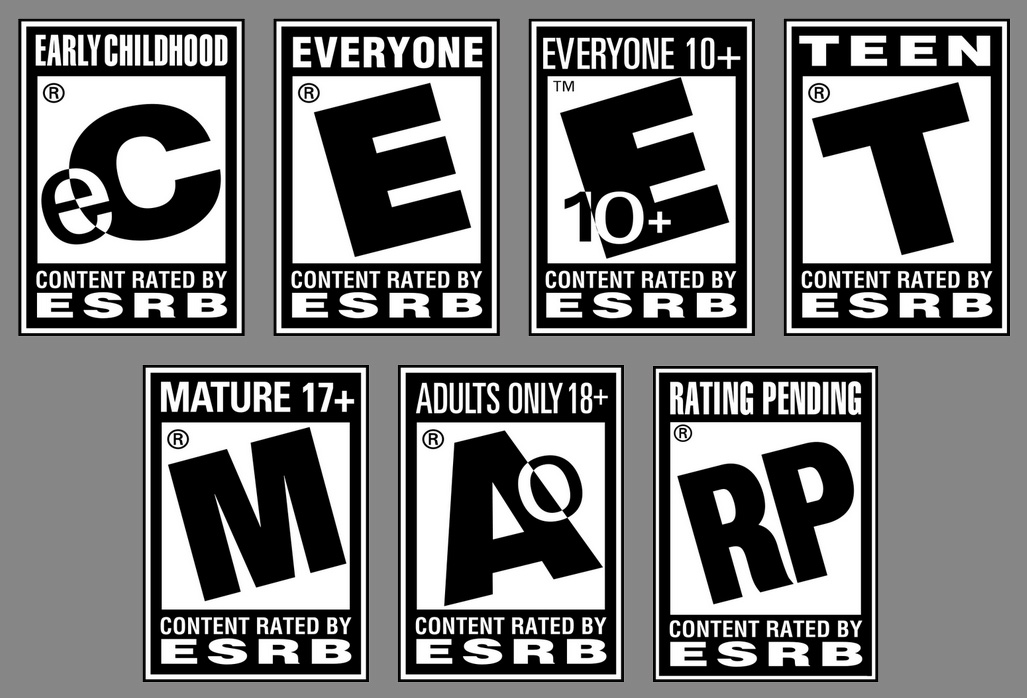
Government pushes the ESRB over Loot Box classification and Addiction

Earlier this week, I reported on Hawaii’s representative introduced two bills to regulate distribution of video games with loot boxes. The bills would require games to have a label identifying that it contains loot boxes and would only allow sales of those games to 21+. Today, U.S. Senator Maggie Hassan (D-NH), question the Federal Tech Commission (FTC) about loot boxes and wrote a letter to the head of the ESRB, Patricia Vance, requesting them to a better inspection on loot boxes and the potential effects on players; mainly children.

Before, the ESRB refused to classify loot boxes as gambling as it would force an adult rating on video games based on a interview from Kotaku.

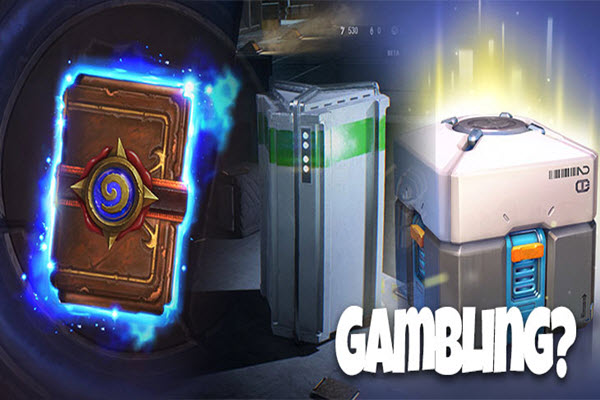
“ESRB does not consider loot boxes to be gambling,” said an ESRB spokesperson. “While there’s an element of chance in these mechanics, the player is always guaranteed to receive in-game content (even if the player unfortunately receives something they don’t want). We think of it as a similar principle to collectible card games: Sometimes you’ll open a pack and get a brand new holographic card you’ve had your eye on for a while. But other times you’ll end up with a pack of cards you already have.”

Hassan was not satisfied with the response from the ESRB and suggested a re-evaluation as opening loot boxes are “expensive habits and use similar psychological principles suggest loot boxes should be treated with extra scrutiny.” While her proposal isn’t as strict as Hawaii’s proposal, her position as a U.S. senator is more prevalent nation-wide. It could end up leading to her proposing federal legislation about this issue, rather than individual states doing it.

The government and most gamers are actually on the same side in regards to the opinion that loot boxes should be regulated more in games but the effect on the industry could be intense. Micro-transaction make a majority of games profits after initial sales. While the goal of all game sales are to make a profit from initial sales, the reason for the huge growth in the industry and making it a worth $30 billion are from practices such as this.
Forbes

Kotaku – Interview with the head of the ESRB

WCCfTech

Hawaii Plans to Regulate Lootboxes

If there is one good thing to come from Star Wars Battlefront 2, it is that people around the world being more aware of loot boxes. In regards to a past article, EA (Electronic Arts) faces heavy scrutiny from gamers and government officials regarding the loot box system in Star Wars. Buying loot boxes gave unfair advantages to players in competitive multiplayer and were the best option to unlocking all of the content in the game. Hawaii was very critical against EA and video game companies pushing loot boxes in their games as they viewed it as a form of gambling towards children. Now Hawaii lawmakers are trying to push new bills to regulate loot box purchases.

Chris Lee of Oahu

One pair of bills, House Bill 2686 and Senate Bill 3024, would prohibit people under the age of 21 purchasing any games with randomized rewards using real money. House Bill 2727 and Senate Bill 3025, would require video game companies to label games with randomized purchases and the probability of loot box rewards. State Rep. Chris Lee of Oahu, who spearheaded the bills, stated “I’ve watched firsthand the evolution of the industry from one that seeks to create new things to one that’s begun to exploit people, especially children, to maximize profit.”

While games like Overwatch make earning loot boxes plausible and only offer cosmetics, some are providing advantages in game which encourages people to buy in order to win. Lee stated because the games are only rated T, the games promote gambling at a young age on virtual goods. Despite the backlash, Star Wars Battlefront 2 sold well but not as good as EA had hoped. EA was hoping to make more based on micro-transaction but based on the backlash, had to remove them.

Micro-transaction and in-app purchases are common among video games, including games for younger audience such as Minecraft and smart phone games. GDC (Games Developer Conferences) stated that 1/10 upcoming games would have loot boxes in some manner. One anonymous GameStop employee is wary that the law could lower the cost of sales based on the labels.

Image result for loot boxesMicro-transactions are a huge profit for video game companies. Activision Blizzard made over $4 billion on loot boxes alone in 2017. Often, companies use micro-transactions to earn higher profit margins rather than relying on sales alone. Gamers throughout the world have complained about the system and “games as a service” that has become more prevalent. Whether the law passes will force the industry to change a huge part of sales and potentially shake up the practices.

Sources:

Hawaii Tribute

Rolling Stones – GDC

PC Gamer – Blizzard makes $4 billion

Nintendo Coins reworks allows you buy Switch Games

If you’ve been buying new Nintendo games, you probably noticed a slip that allowed you to register games on the My Nintendo website to earn gold coins. Previously, gold coins could be used to purchase Wii U or 3DS indie games for about 80-90 points but the rework in early March will allow you to buy Switch games. Buying digital games will earn you 5% of the original price while physical will earn you 1%. The percentage lower for physical is to encourage people to buy digital as it gives a larger profit margin to Nintendo.

Nintendo hasn’t determined how many gold coins will be needed for purchases for DLC, full games, or even indies yet. The points expire after 12 months so if you’ve been saving them, remember to check your point total.

Sources:

My Nintendo

Quantic Dream pursues Legal Actions against Harassment Accusers

Quantic Dream, the creators of Heavy Rain and Beyond Two Souls, are being sued by for creating unhealthy work conditions, sexual harassment by kissing employees on the lips from Studio head Guillaume de Fondaumière, and racist and homophobic remarks from Studio head, David Cage. Photoshop pictures of employees dressed in Nazi and sexual nurse outfits for women were sent to everyone within the Quantic Dream building since 2013. Cage and de Fondaumiere stated that they were not aware of the photos and they were swiftly deleted from the servers. Le Monde and Mediapart, French media companies, spoke to the 15 employees who claimed that the photos were just a sample of the environment and nature of Quantic Dream.

David Cage of Quantic Dream
David Cage
Quantic Dream’s Guillaume de Fondaumière
Guillaume de Fondaumière

No automatic alt text available.

Cage denies these accusations and defends himself stating “We work with Ellen Page, who fights for LGBT rights. You want to talk about racism? We work with Jesse Williams, who fights for civil rights in the United States. Judge my work.” De Fondaumière also defends himself stating that the accusations were “absolutely false.” Le Monde and Mediapart also received reports from the 15 that Quantic Dream forced them to work overtime,  with unnamed staff complaining of routinely working 60-hour weeks, plus regular weekend hours. De Fondaumière stated that the accusations were false and that if they worked overtime, they would be compensated accordingly. In France, law state that a working week is 35 hours and working day may not exceed 10 hours.

French Court has dismissed two allegations after the articles was released while a third claim “is in a tie,” the studio wrote. Quantic Dream is currently pursuing “several other legal actions” to ensure that the studio is cleared from of false claims and internal misconduct.

Whether Quantic Dream, David Cage or Guillaume de Fondaumière are found guilty still remains to be seen of any accusations. Their upcoming game, Detroit: Become Human is expected to release this year and whether it affects game sales remain to be seen.

Sources:

Eurogamer

The Guardian

Polygon