Patent shows Activision uses Matchmaking to coerce players into Microtransaction

Recently, more and more games have begun adding microtransaction items in AAA games. Games such as MiddleEarth: Shadow of Mordor, Forza Motorsport 7, and Star Wars Battlefront 2 are recent video games that contain loot boxes. Most prizes within usually have cosmetic items that don’t influence the game but their multiplayer games such as Star Wars contain upgrades or improved Star Cards. The inclusion of loot boxes has angered many fans.

This month, Activision‘s patent passed for a system to coerce players into buying in-game items. The system would drive players into buying in-game items based on multiplayer. It would actively place expert or higher ranked players against a junior player.

It would also place players based on interest. “In a particular example, the junior player may wish to become an expert sniper in a game (e.g., as determined from the player profile),” according to the patent. A newer player may want to emulate their guns or gear which could lead to potential purchases.

The system also knew which items to promote based on players preferences. If you’ve already bought an item or weapon, the patent stated “if the player purchased a particular weapon, the microtransaction engine may match the player in a gameplay session in which the particular weapon is highly effective, giving the player an impression that the particular weapon was a good purchase. This may encourage the player to make future purchases to achieve similar gameplay results.”

Activision has stated this method is not in any current games and Bungie has confirmed the method is not in Destiny 2. It was an exploratory patent made in 2015 by the Research and Development team outside of their gaming division said Activision spokesperson to Glixel.

Opinion:

A lot of people are disgusted that Activision would actively create a match-making system that incentives in-game purchases rather than creating fair and balanced matches. Although Activision has stated they have not released this system on any current games, that may change towards the future. We want our games to be pure and be created purely for fun and entertainment but the gaming industry is still a business. Many online stores and sites already cater items, videos, and advertisements based on your searches, likes, or content you viewed. While I don’t have anything against promoting purchases based your interest, I am actively against basing the entire matchmaking system on it. While the system is based for first-person shooters, it can potentially be added into future Activision games. This further ruins their image to gamers.

Source:

Rolling Stones: Glixel

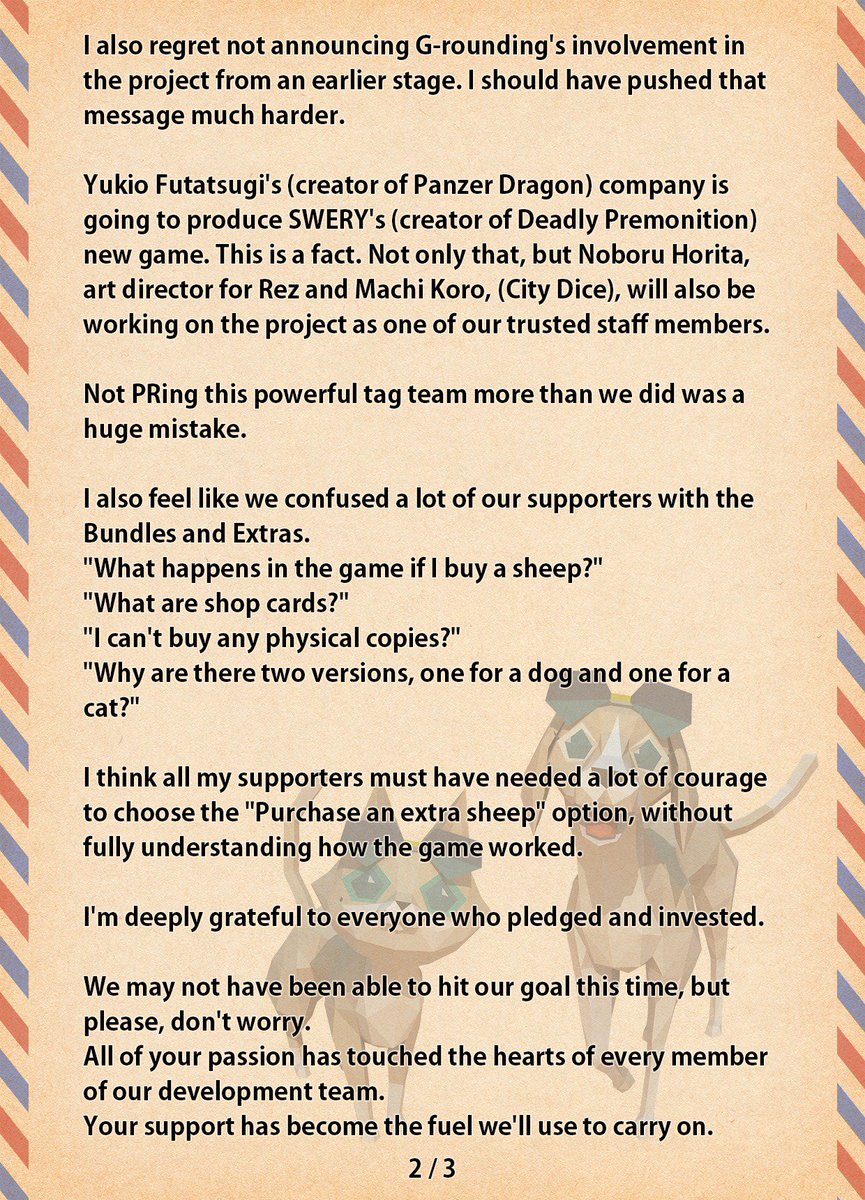
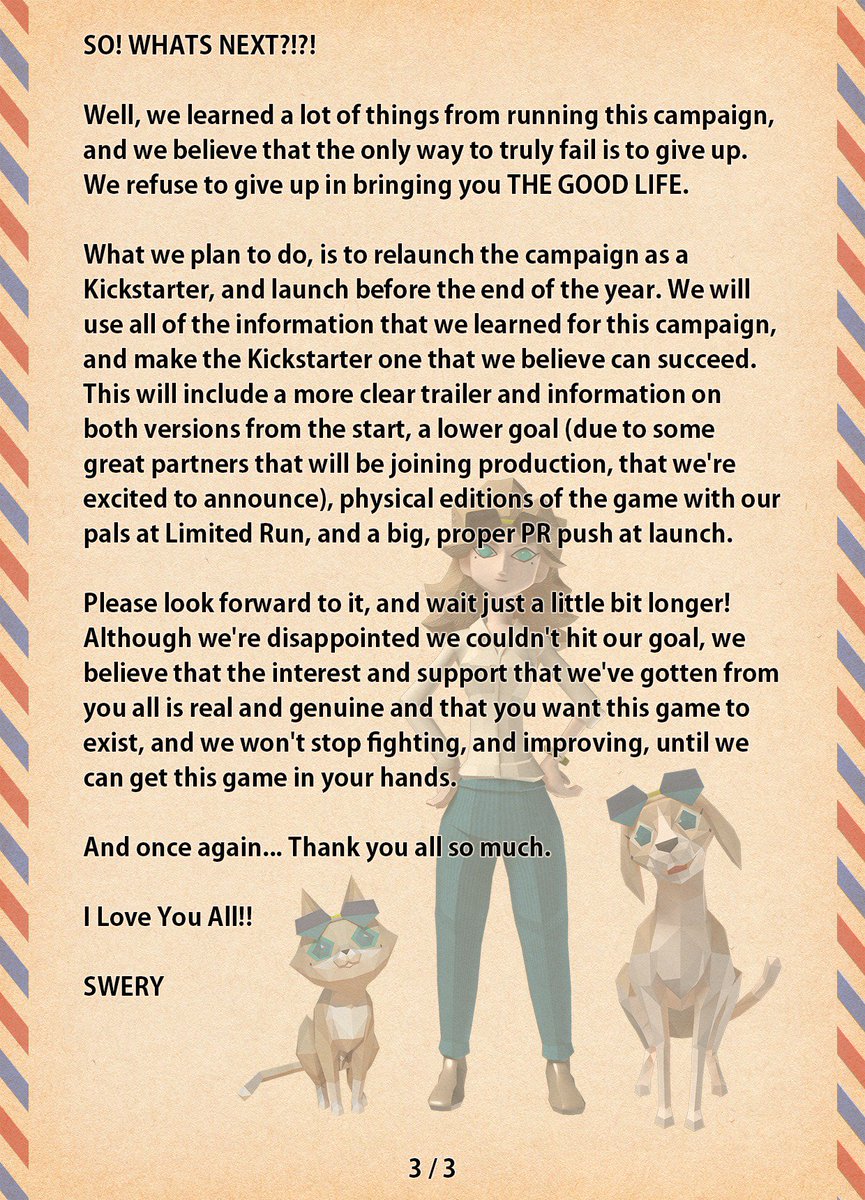
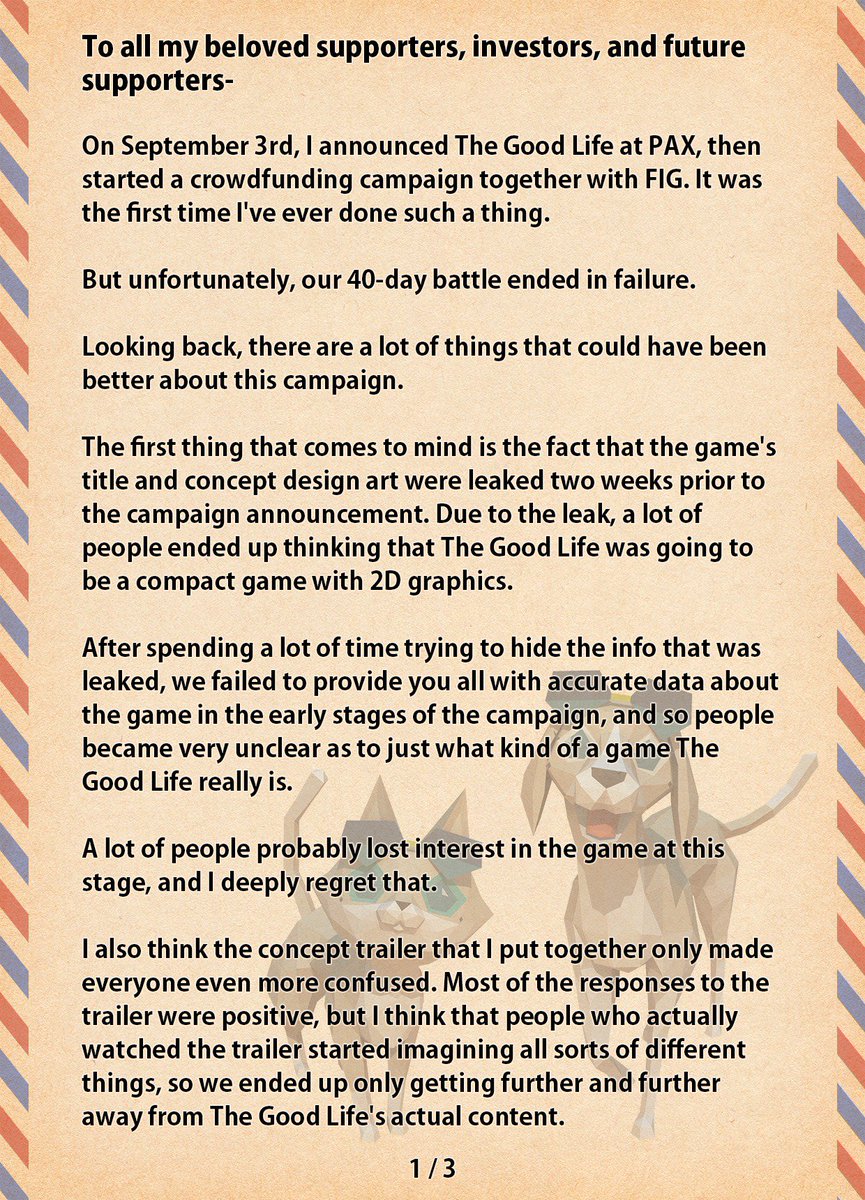
SWERY’s The Good Life moved to Kickstarter: More Publicity, more problems

Swery has unfortunately not made his goal on Fig for The Good Life. The game was able to reach 45% of its goal of $1.5 million but that isn’t stopping Swery. He has now moved his game to Kickstarter. He states how his statements in regards to The Good Life caused a lot of confusion for people. Many fans were confused on what the game was about. Based on concept trailers and bundles, many supporters were confused by The Good Life story and the overall gameplay.

Hoping for a second chance on Kickstarter has brought more attention to the game but also disapproval as well. Fans aren’t as supportive because Swery‘s previous game, D4: Dark Dreams Don’t Die, never finished. The reason D4 never finished because he fell ill during production with Access Games and left the project. Since the ownership rights belong to Microsoft, Swery was never able to finish his game leaving fans unhappy.  For Kickstarters, initial marketing efforts are extremely important. Although Swery is an infamous game developer, his fanbase isn’t as large. His games have always struggled to reach high sales numbers. Luckily, Swery has learned his lesson and seeks to lower the funding goal of The Good Life on Kickstarter. Swery is trying to rework his message and is still adamant on funding The Good Life. Many Kickstarters have failed to reach expectations of audience demands such as Mighty Number 9, Ouya, and Star Citizens and but lowering the funding goal and Swery’s honest ambitions make me hopeful for his game to succeed.
Swery’s Twitter

Bethesda stands firm against Wolfenstein Protest

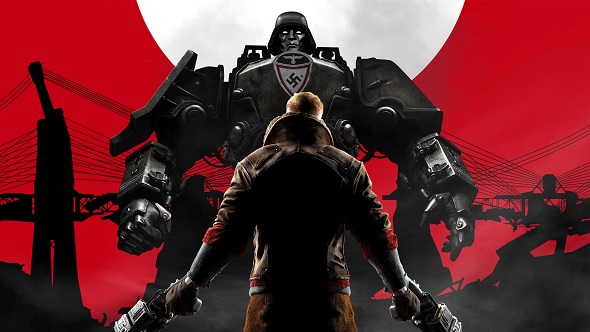
Recently, Bethesda has been marketing Wolfenstein II: The New Colossus as an anti-Nazi game. It falls in line with the theme of BJ Blazkowicz overthrowing the Nazi Regime in an alternate timeline America in 2014 where The New World Order (Nazis) have taken over the United States.

Wolfenstein as a series has always been about fighting Nazis and even the hashtag created for the game is #NoMoreNazis. Peter Hines, the head of Marketing and VP of PR for Bethesda is very aware of current events in America.

Wolfenstein has been a decidedly anti-Nazi series since the first release more than 20 years ago. We aren’t going to shy away from what the game is about. We don’t feel it’s a reach for us to say Nazis are bad and un-American, and we’re not worried about being on the right side of history here.”

Hines also states the release of the game has no relation regarding the recent Nazi issues in America. The game has been in development for two years and “it, unfortunately, happens to highlight current events in the real world.” Hines states that Bethesda doesn’t make game regarding the current political issue but “We make games that we think are fun, meaningful, and immersive for a mature audience.” The trailer below sparked comments about anti-Nazi commercials.

The marketing against Nazism has stirred controversy regarding the game. People on social media have complained to Bethesda regarding Wolfenstein. Hines continues to defend the message against Nazism and most of the tweets are all about promoting different methods of killing the Nazi enemies in the game. While Hines and Bethesda may be a little worried about alienating potential customers he has stated: “to be honest, people who are against freeing the world from the hate and murder of a Nazi regime probably aren’t interested in playing Wolfenstein.

Another statement Hines said on how powerful Games can be as a platform.

“Their ability to immerse players in an alternate role, in an alternate world, like Wolfenstein’s Nazi-infested America, allows players to actually feel and experience the emotions of the situation.

I’m very impressed that Bethesda and Hines had stood firm on its statements against Nazism. Many companies tend to apologize for representatives remarks or actions to appease outcry but Hines gave a very professional response in regards to Wolfenstein message and overall theme of the game. Hines also acknowledges the power games can have as an art medium. They have the unique ability to immerse players into alternative settings and give a sense of control.

Sources:

Gameindustry.biz

Swery pushes forward on Cat RPG: The Good Life

Hidetaka “Swery” Suehiro refuses to back down despite his low support on crowdfunding his new Cat RPG: The Good Life. The game is planned to be a combination of murder mystery, pet simulator and role-playing game. The project currently sits at 19% of its crowdfunding goal on Fig. Their set goal is $1,500,000. As of October 3rd, 2017 they stand at$293,017 with 8 days remaining.

“Originally and even now I have been concerned, of course,” Swery said about the project’s struggle to bring in backers when Polygon spoke with him during TGS “I’m not going to give up, though. There’s no way. I’m going all the way through to the end.”

This is Swery’s first project with his new studio: White Owl. It involves a story revolving around a New York-based photographer, Naomi, who moves to an English village regarding a murder. Your investigation earns you money. Depending on how much money you earn, you’ll be treated differently by the NPC’s. Also, the townspeople and yourself turn into cats or dogs at night and nobody knows why. Its known in the game as “This is the happiest town in the world.” and “We’re the happiest people on the planet.” (I would love to be a dog or a cat tbh)


The game is being crowdfunded through Fig which is considered a controversial crowdfunding site. Unlike Kickstarter, investments in the game development give you Fig Game Shares; meaning you will earn a profit depending on how much the game sells. However, the game must sell at least 2 million units at a $60 to earn any money back. Investors are not guaranteed any funds unless the game earns a unspecific amount of revenue. The investments are not secured by SEC (Securities And Exchange Commission) meaning they aren’t legal investments and have to be reviewed by the government before receiving any money back. The SEC’s primary function is to oversee organizations and individuals in the securities markets, including securities exchanges, brokerage firms, dealersinvestment advisors and various investment funds. Through established securities rules and regulations, the SEC promotes disclosure and sharing of market-related information, fair dealing and protection against fraud.

The site is backed by Fig’s advisory board, which includes Double Fine head Tim Schaefer and Obsidian Entertainment co-founder Feargus Urquhart. 

Swery has stated that “The guys at Fig did something really nice, in that they only choose something that has been very exclusively selected,” he said. “Only high-quality people are chosen to be able to fund and be part of the project.”

Crowdfunding ends on October 12th.

Opinion:

There is no way this game is gonna reach its goals. Although his games are cult-classics, they never sell well enough to warrant sequels or reach a wide audience. A goal of $1,500,000 is absurd for any game that he has produced. Even on Ps3 and Xbox 360, Deadly Premonition made less than half a million dollars globally. He even admits that the game had no “economic success.” To even put it on Fig, a site which most people have not heard of or disapprove of their style of funding makes Swery’s goal even less probable. It also doesn’t help that The Good Life looks ugly graphically. Swery’s games have never looked graphically impressive but to ask for $1.5 million for something like that is ridiculous.


Sources:

Polygon

Eurogamer

Investopedia

Thegg